

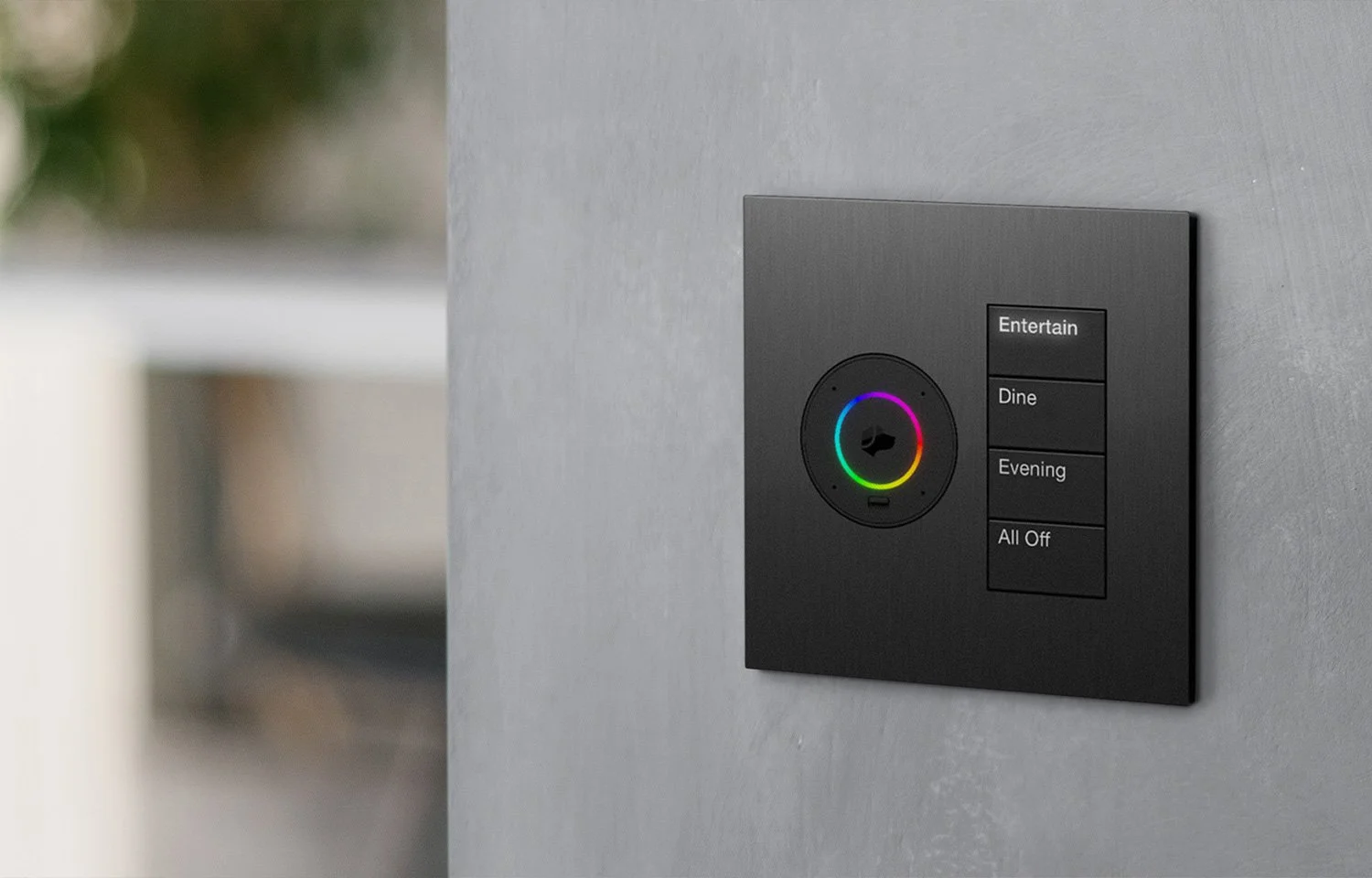
Voice assistant integration has transformed the way UK households interact with technology. What once required switches, remotes, or smartphone apps can now be managed with a simple voice command. From adjusting the heating in a London flat to turning off lights in a Manchester townhouse, smart home technology powered by voice assistants is quickly becoming the new standard of convenience.
In this guide, we’ll explore how voice assistant integration works, the leading platforms in the UK, compatible devices, benefits, challenges, and what the future looks like. We’ll also answer some frequently asked questions to help you get started.
What Is Voice Assistant Integration?
Voice assistant integration refers to connecting a voice-controlled digital assistant to smart home devices so they can be operated using spoken commands. Instead of manually adjusting thermostats, lighting, or security systems, users can simply speak commands like:
- “Turn off the kitchen lights.”
- “Set the thermostat to 20 degrees.”
- “Lock the front door.”
The most widely used voice assistants in the UK include:
- Amazon Alexa
- Google Assistant
- Apple Siri
These assistants are embedded in smart speakers, smartphones, tablets, and other connected devices.
Why Voice Assistant Integration Is Growing in the UK
Several factors are driving adoption across British households:
1. Energy Efficiency and Rising Utility Costs
With energy prices fluctuating, UK homeowners are looking for ways to optimise usage. Voice-controlled smart thermostats and plugs allow quick adjustments, helping reduce waste.
2. Convenience and Accessibility
Voice control is especially beneficial for elderly residents or individuals with mobility challenges. Tasks that once required physical effort can now be performed hands-free.
3. Smart Home Ecosystem Expansion
Retailers in the UK offer a growing range of compatible devices, from lighting systems to smart security cameras. As ecosystems become more interconnected, voice integration becomes increasingly practical.
Popular Voice Assistants in the UK
1. Amazon Alexa
Amazon Echo devices dominate many UK homes. Alexa supports thousands of third-party integrations and is known for its compatibility with lighting, heating, and entertainment systems.
2. Google Assistant
Integrated into Google Nest Hub, Google Assistant excels at contextual understanding and integrates seamlessly with Android devices.
3. Apple Siri
Through Apple HomePod, Siri connects with Apple’s HomeKit ecosystem, appealing to UK users already invested in Apple products.
Each assistant has strengths, so choosing one often depends on your existing devices and ecosystem preferences.
Smart Home Devices Compatible with Voice Assistants
Voice assistants can integrate with a wide variety of smart devices commonly found in UK households:
Smart Lighting
Control brightness, colour, and schedules using voice commands. Brands like Philips Hue are widely supported.
Smart Thermostats
Devices such as Hive Active Heating and Nest Learning Thermostat allow users to adjust heating remotely or via voice.
Smart Security Systems
Cameras, doorbells, and smart locks can be armed or checked using simple commands, enhancing both convenience and security.
Smart Plugs and Appliances
Voice commands can turn appliances on or off, schedule operations, and monitor usage.
How Voice Assistant Integration Works
Voice assistants rely on several components:
- Wake Word Detection – The assistant listens for a specific phrase such as “Alexa” or “Hey Google.”
- Cloud Processing – Once activated, the command is processed in the cloud to interpret intent.
- Device Communication – The assistant sends instructions via Wi-Fi or other protocols (like Zigbee or Matter) to the relevant device.
- Action Execution – The device performs the requested action.
In the UK, most integrations rely on stable broadband connections. With fibre broadband widely available, response times are generally fast and reliable.
Benefits of Voice Assistant Integration
1. Hands-Free Operation
Ideal for multitasking or when hands are occupied.
2. Centralised Control
Multiple devices can be controlled through one assistant rather than multiple apps.
3. Automation and Routines
Users can create routines such as “Good Morning” that turn on lights, adjust heating, and play the news simultaneously.
4. Improved Home Security
Voice commands can quickly activate alarms or check camera feeds.
5. Future-Proofing
With ongoing advancements in AI and compatibility standards like Matter, UK homes are becoming more interconnected and adaptable.
Challenges and Considerations
While integration offers numerous benefits, there are important factors to consider:
Privacy Concerns
Some users worry about devices continuously listening for wake words. Reviewing privacy settings and muting microphones when needed can help mitigate concerns.
Compatibility Issues
Not all smart devices work seamlessly across every ecosystem. Always check UK compatibility before purchasing.
Internet Dependency
Most voice assistants require an internet connection. Service outages may temporarily disable voice control.
Accent Recognition
Voice recognition technology has improved significantly, but regional UK accents can occasionally cause misunderstandings. Regular software updates continue to improve accuracy.
Setting Up Voice Assistant Integration in the UK
Here’s a simple step-by-step approach:
- Choose your ecosystem (Alexa, Google Assistant, or Siri).
- Purchase a compatible smart speaker or hub.
- Install the corresponding mobile app.
- Connect smart devices to your Wi-Fi network.
- Link devices within the assistant app.
- Create routines and custom commands.
Many UK retailers offer starter bundles that simplify initial setup.
The Future of Voice-Controlled Smart Homes in the UK
As artificial intelligence becomes more advanced, voice assistants are moving beyond simple command execution. Future developments may include:
- Predictive automation based on daily routines.
- Enhanced natural conversation abilities.
- Greater integration with electric vehicle chargers and renewable energy systems.
- Improved local processing for enhanced privacy.
With smart home adoption steadily increasing across the UK, voice assistant integration is likely to become standard rather than optional.
Frequently Asked Questions (FAQs)
1. Which voice assistant is best for UK smart homes?
There is no single “best” option. Amazon Alexa offers extensive device compatibility, Google Assistant excels in search and contextual understanding, and Apple Siri is ideal for Apple users. The right choice depends on your existing devices and preferences.
2. Do voice assistants work without internet in the UK?
Most features require an internet connection. Some limited commands may work locally depending on the device, but full functionality typically depends on cloud processing.
3. Are voice assistants secure?
Manufacturers implement encryption and security protocols. However, users should enable two-factor authentication, regularly update firmware, and review privacy settings to enhance security.
4. Can I use multiple voice assistants in one home?
Yes, but managing multiple ecosystems can become complex. Many UK households choose one primary assistant for simplicity.
5. How much does voice assistant integration cost?
Costs vary depending on the devices you choose. Entry-level smart speakers are relatively affordable, while comprehensive smart home systems with heating, lighting, and security integration require a larger investment.
6. Are UK energy providers compatible with smart assistants?
Some providers offer smart meters and apps that integrate indirectly with voice assistants, allowing users to monitor energy consumption through connected platforms.
Final Thoughts
Voice assistant integration for smart home devices in the UK is no longer a futuristic concept — it’s a practical solution enhancing convenience, efficiency, and security. As technology continues to evolve, integration will become smoother, smarter, and more intuitive.
For UK homeowners looking to modernise their living spaces, adopting a voice-enabled smart home ecosystem is a forward-thinking step toward a more connected future.
